









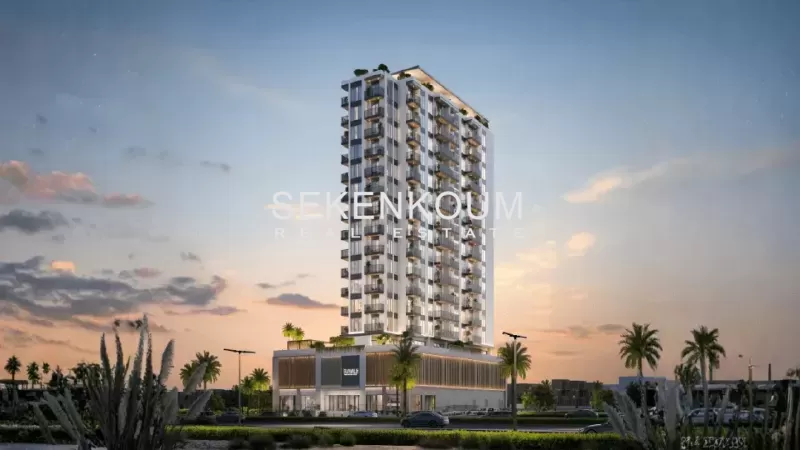
Property Investment in Dubai : The Ultimate 2026 Guide
Dubai’s real estate market has been attracting global attention for decades. From luxurious waterfront apartments to commercial spaces in the heart of the city, investing in Dubai property can be both profitable and lifestyle-enhancing.
Dubai is not just a city of skyscrapers, luxury malls, and iconic landmarks. It has evolved into a global real estate hub, offering incredible opportunities for both local and international investors. From first-time buyers looking for a studio apartment to seasoned investors seeking commercial properties, Dubai caters to all.
Whether you want properties in dubai for sale, are curious about buying an apartment in dubai, or exploring investment in dubai property for foreigners, this guide covers everything you need to know.
Why Dubai is a Global Real Estate Hub
Dubai’s real estate market attracts investors from around the world due to a combination of strategic location, tax-free benefits, modern infrastructure, and regulatory clarity.
Key Reasons Dubai Stands Out:
- Strategic Global Location: Dubai connects Europe, Asia, and Africa, making it an ideal hub for business and leisure.
- High Rental Yields: Apartments and villas in key areas provide rental returns of 6 -10% annually.
- Tax-Free Incentives: No property tax or capital gains tax attracts foreign investors.
- Freehold Ownership: Many areas are designated for foreign ownership, allowing full property rights.
Real-Life Story: A client from Germany invested in a one-bedroom apartment in dubai Marina in 2023. By 2025, the property value had risen by 35%, and rental income provided a reliable monthly return. This illustrates the potential of investing in dubai real estate.
Dubai real estate market overview
Dubai’s property market is dynamic and ever-evolving. Understanding market trends is essential for making smart investment decisions.
Historical Trends
- 2000-2008 Boom: Skyrocketing property prices attracted international investors.
- 2008-2010 Correction: Global financial crisis impacted prices, but recovery began in 2011.
- 2011- 2019 Growth: Introduction of mega-projects like Dubai Creek Harbour and Business Bay led to market stabilization and growth.
Current Market Performance (2026)
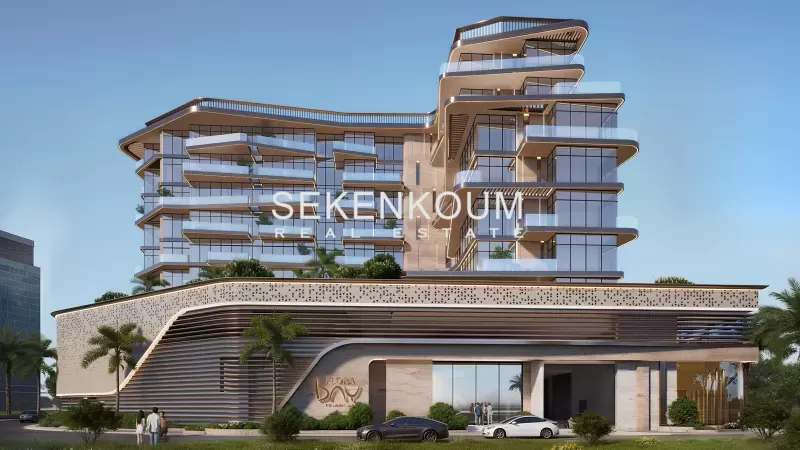
- Apartments: Demand is rising in areas like JVC, Business Bay, and Dubai Marina.
- Villas & Townhouses: Arabian Ranches, DAMAC Hills, and Palm Jumeirah see high appreciation rates.
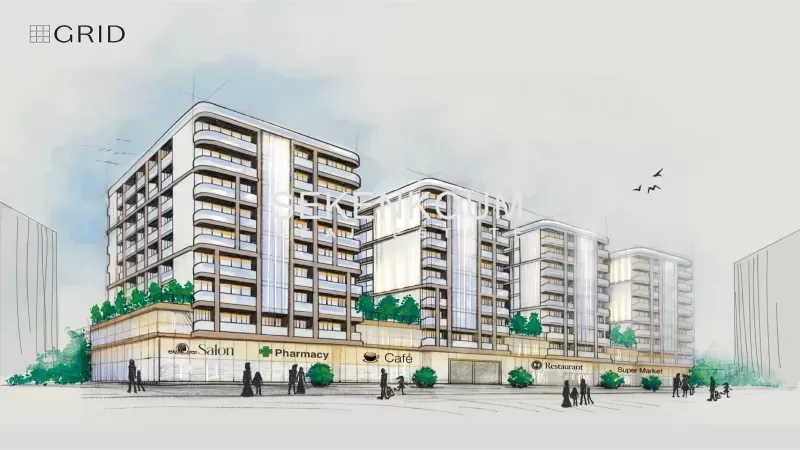
- Commercial Properties : Offices in DIFC and retail spaces in Downtown Dubai continue to attract investors.
Matching Investment Strategies with Goals
Profitable investments depend on your goals and preferred returns:
- Long-Term Appreciation: Residential properties in established developments like Dubai Creek Harbour and Dubai Hills Estate are favored for sustained capital growth.
- Short-Term Rental Yields: Properties in high-demand areas and holiday homes in bustling, tourist-centric districts deliver attractive rental income.
- Property Flipping: Off-plan properties in emerging areas offer entry at lower prices, allowing for capitalizing on appreciation once the project completes.
- Commercial Real Estate: Office and retail spaces in business hubs provide strong, stable returns through corporate leases.
Supply and Demand
- Apartments : Affordable apartments in emerging areas have strong rental demand.
- Villas : Limited supply in prime areas increases investment potential.
- Commercial Spaces: High demand for flexible office and retail spaces.
Example : An investor purchased a 2-bedroom apartment in JVC. After the nearby metro station announcement, rental demand surged, boosting ROI significantly.
Types of Properties in Dubai
Dubai offers a range of properties for every type of investor.
Residential Properties
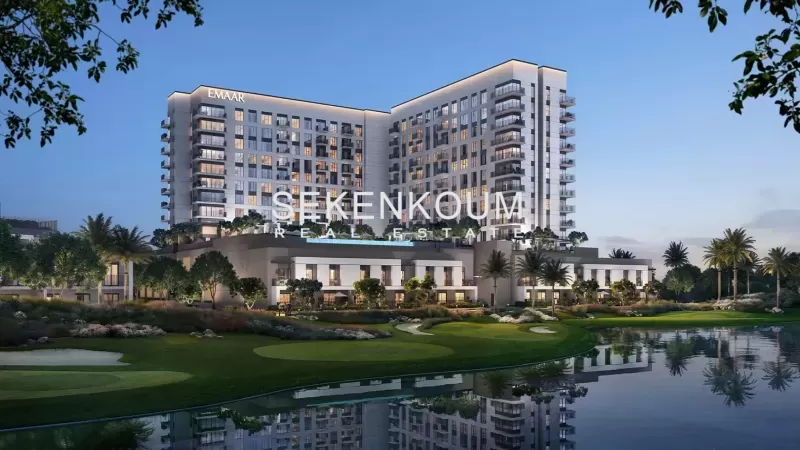
- Apartments & Flats: Perfect for expatriates and first-time investors.
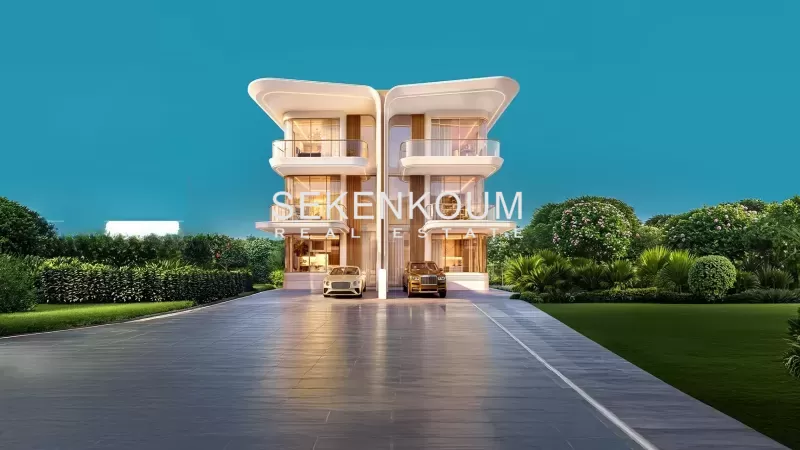
- Villas & Townhouses: Popular among families and HNWIs seeking privacy and luxury.
- Luxury vs Affordable: Palm Jumeirah, Downtown Dubai, and Dubai Marina offer luxury; Dubailand, JVC, and Dubai South offer affordable options.
Commercial Properties
- Offices: Business Bay, DIFC, and Dubai Media City offer premium offices.
- Retail Spaces: High footfall areas ensure strong rental income.
- Warehouses & Industrial: Dubai Industrial Park and Jebel Ali Free Zone are growing sectors.
Off-Plan vs Ready Properties
- Off-Plan Pros: Lower upfront cost, potential for appreciation.
- Off-Plan Cons: Possible delays, market fluctuation risk.
- Ready Properties: Immediate occupancy and rental income but higher purchase price.
Example: A small investor bought a studio apartment in dubai marina and successfully rented it short-term to tourists, earning 7- 8% ROI monthly.
Legal Considerations for Buyers
Understanding Dubai’s property laws is crucial for safe investment.
Ownership Types
- Freehold : Full ownership for foreigners in designated areas.
- Leasehold : Ownership limited to 99 years.
Ownership Rules for Foreigners
Foreign investors can buy property in freehold zones such as Dubai Marina, Downtown Dubai, JVC, Palm Jumeirah, and Business Bay.
Registration Process
All properties must be registered with the Dubai Land Department (DLD). This ensures legal protection and title transfer.
Mortgage Options for Expats
- Banks offer loans up to 80% LTV for UAE residents.
- Foreign investors may get 50–70% LTV depending on nationality and income.
Example: A British investor successfully registered a villa in Arabian Ranches after guidance from our agency, demonstrating that proper legal support makes buying seamless.
Buying Process Step by Step
Buying property in Dubai requires a clear plan and understanding of the process:
- Budgeting & Financing: Determine your total budget including fees (DLD registration 4%, agent fees 2%, and maintenance costs).
- Choosing the Right Developer/Project: Reputed developers like Emaar, DAMAC, and Meraas offer safe investment options.
- Property Inspection: Inspect ready properties for quality and location advantages.
- Sale Agreement & Handover: Sign the agreement, pay the deposit (usually 10%), and complete handover after full payment.
Example: A client purchased an off-plan apartment in downtown dubai. Despite a six-month delay, the property appreciated by 20% by the time of handover, showing the benefits of off-plan investment.
Investment Strategies
Short Term vs Long Term
- Short-Term: Focus on rental yield; ideal for apartments in JVC or Business Bay.
- Long-Term: Focus on capital appreciation; ideal for villas in Palm Jumeirah or Arabian Ranches.
Rental Yields & ROI
- Apartments in Dubai Marina : 7- 9% annually.
- Villas in Arabian Ranches: 5- 6% annually, with potential for long-term appreciation.
Flipping Properties
Buying undervalued properties in prime locations and reselling after appreciation can be profitable.
Diversification
Invest across residential and commercial sectors to minimize risk.
Example: An investor rented a 2-bedroom apartment in Business Bay to corporate tenants. Passive income covered mortgage costs, yielding net profit each month.
Risks of Buying Property in Dubai
Investing in Dubai is rewarding but not risk-free.
Key Risks
- Market Fluctuations: Prices can change based on supply-demand dynamics.
- Project Delays: Off-plan projects may face construction delays.
- Legal & Regulatory Risks: Always verify developer and registration status.
- Currency Exchange Issues: International buyers must manage exchange rate volatility.
Example: A foreign investor faced delays in a Dubailand project. By diversifying into ready apartments in JVC, losses were minimized, showing the importance of a balanced portfolio.
Popular Areas and Neighborhood Analysis
Downtown Dubai
Luxury apartments, high resale value, near Burj Khalifa.
Dubai Marina:
High expatriate demand, strong rental yields.
Palm Jumeirah
Luxury villas, iconic location, excellent long-term appreciation.
Jumeirah Village Circle (JVC):
Affordable villas/apartments, metro access boosts rental demand.
Business Bay
Commercial and residential mix, ideal for investors targeting professionals.
Example: Apartments near metro stations in JVC and Business Bay rent faster, emphasizing the importance of location.
Financing & Budgeting Tips
- Mortgages for Expats: Up to 80% LTV for UAE residents; lower for foreigners.
- Off-Plan Payment Plans: Flexible 3–5 year post-handover options.
- Investing with Little Money: Studio apartments or joint ventures are viable entry points.
Future Outlook and Market Predictions
The UAE real estate market, particularly in Dubai, is expected to see steady growth in 2025, with prime property prices projected to increase by 5% due to high demand and limited supply. Investors should keep a close eye on these trends to make the most of emerging opportunities.
- Mega-Projects: Dubai Creek Tower, Expo 2020 legacy districts, Dubai Harbour developments.
- Trends: High demand for luxury apartments and affordable mid-market housing.
- Investment Positioning: Focus on metro-accessible areas, new infrastructure, and freehold communities.
With the ongoing development of major projects and sustained interest from international buyers, Dubai’s property sector remains resilient. Strategic investors who monitor supply constraints and upcoming infrastructure will be best positioned to benefit from Dubai’s evolving landscape.
Conclusion & Call to Action
Dubai offers unmatched opportunities for residential and commercial property investment. Understanding market trends, legal frameworks, and investment strategies ensures safe and profitable outcomes.